

Modernizing ATLAS through Human-centered Design
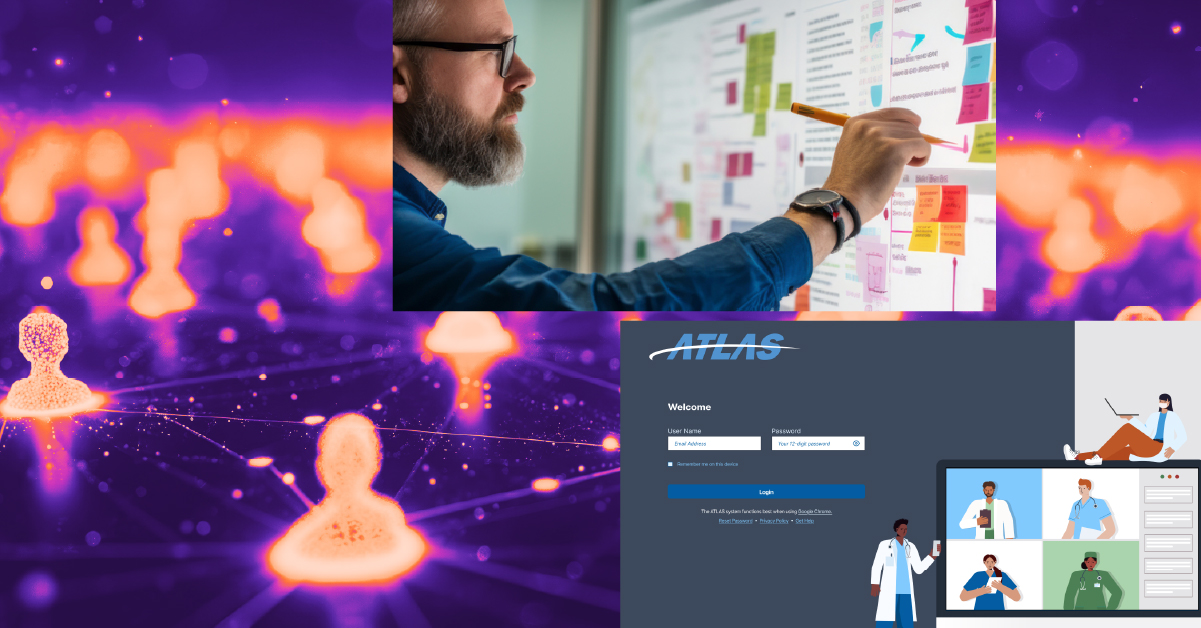
How Diaconia helped turn a focused feature request into a broader modernization strategy supporting the VA‘s Merit Review Support Services program.
Adding new features to an aging system doesn’t always make it better. Sometimes, it just adds complexity.
When Diaconia joined LMI in support of the Department of Veterans Affairs (VA) Merit Review Support Services (MRSS) program, the initial goal was to develop a new Performance Tracker for ATLAS, an established platform supporting the scientific merit review process.
But early discovery revealed a bigger challenge: years of evolving requirements had created outdated workflows, complicated navigation, and inconsistent user experiences.
Rather than simply adding another feature, Diaconia took a human-centered approach—working with program stakeholders and users to understand what they actually needed and how the system could better support their work.
What’s Inside the Case Study?
Discover how Diaconia:
- Evaluated 8 user roles and 7 key workflows to uncover pain points and opportunities.
- Reimagined navigation and role-specific dashboards to simplify everyday tasks.
- Developed 174 prototyped screens and 58 component sets to guide modernization.
- Helped establish a more consistent, accessible experience and a practical path for continued development.
Modernization works better when you start with the people using the technology.
Download the case study to see how human-centered design helped reshape the ATLAS experience—and what other federal programs can learn from the approach.


